Odin’s Sacrifice and the Making of Wisdom in the Aesir: Odin sacrifice
Odin’s quest for the runes is a major expression of wisdom in Norse myth: knowledge is not freely given, but won through ordeal, self-denial, and contact with dangerous powers...

Odin’s Sacrifice and the Aesir Ideal of Wisdom
Among the Aesir, wisdom is not presented as a calm possession or a purely intellectual virtue. In the myth of Odin’s discovery of the runes, knowledge is bound to ordeal, pain, and transformation. Odin seeks the runes, signs associated in myth with hidden power, and he wins them through a self-sacrifice: he hangs from Yggdrasil, the world tree, for nine days while piercing his side with a spear. The result is not merely information, but a change in being. Odin’s wisdom is earned at the edge of death, and that pattern helps define his mythic character among the Aesir.[1]
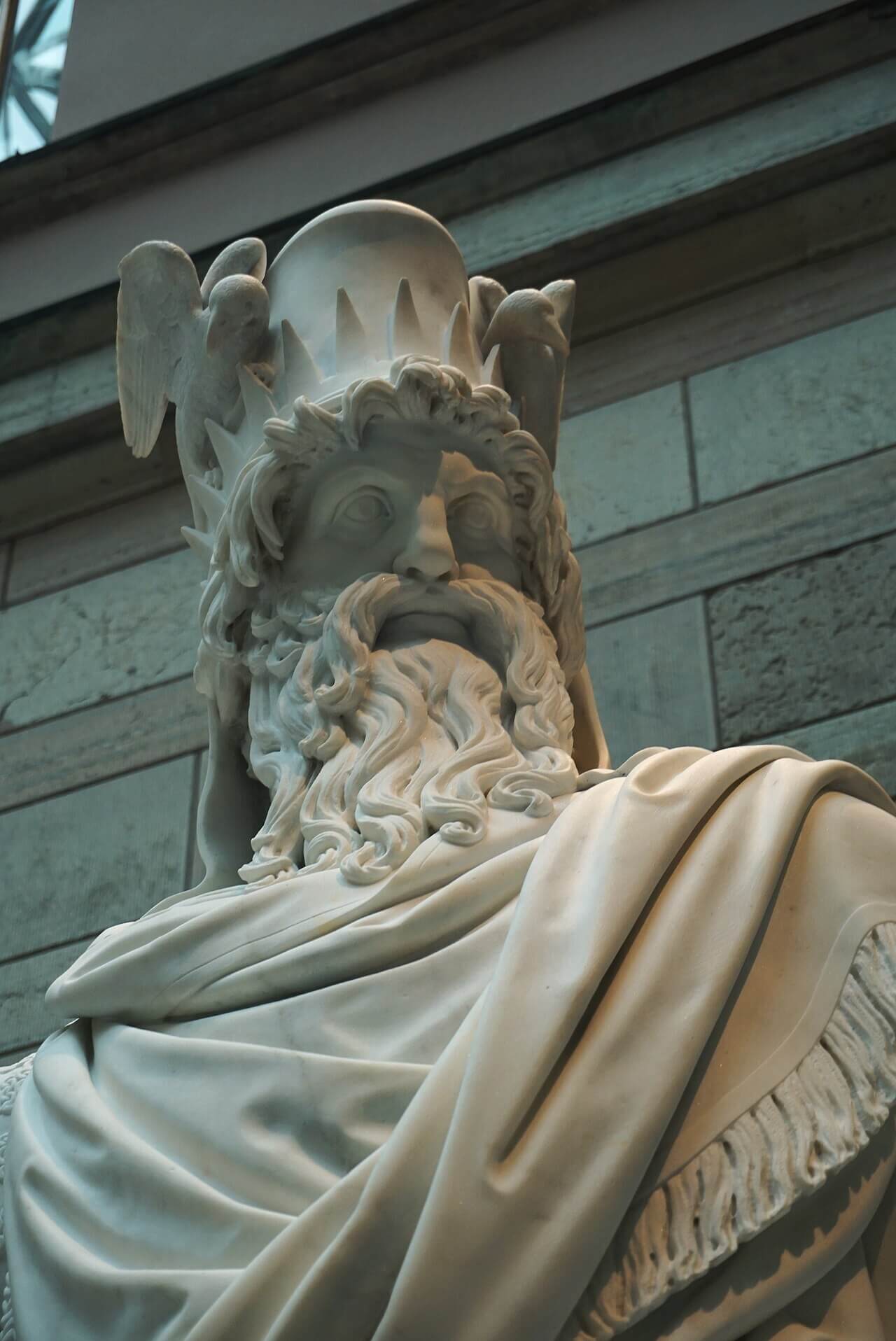
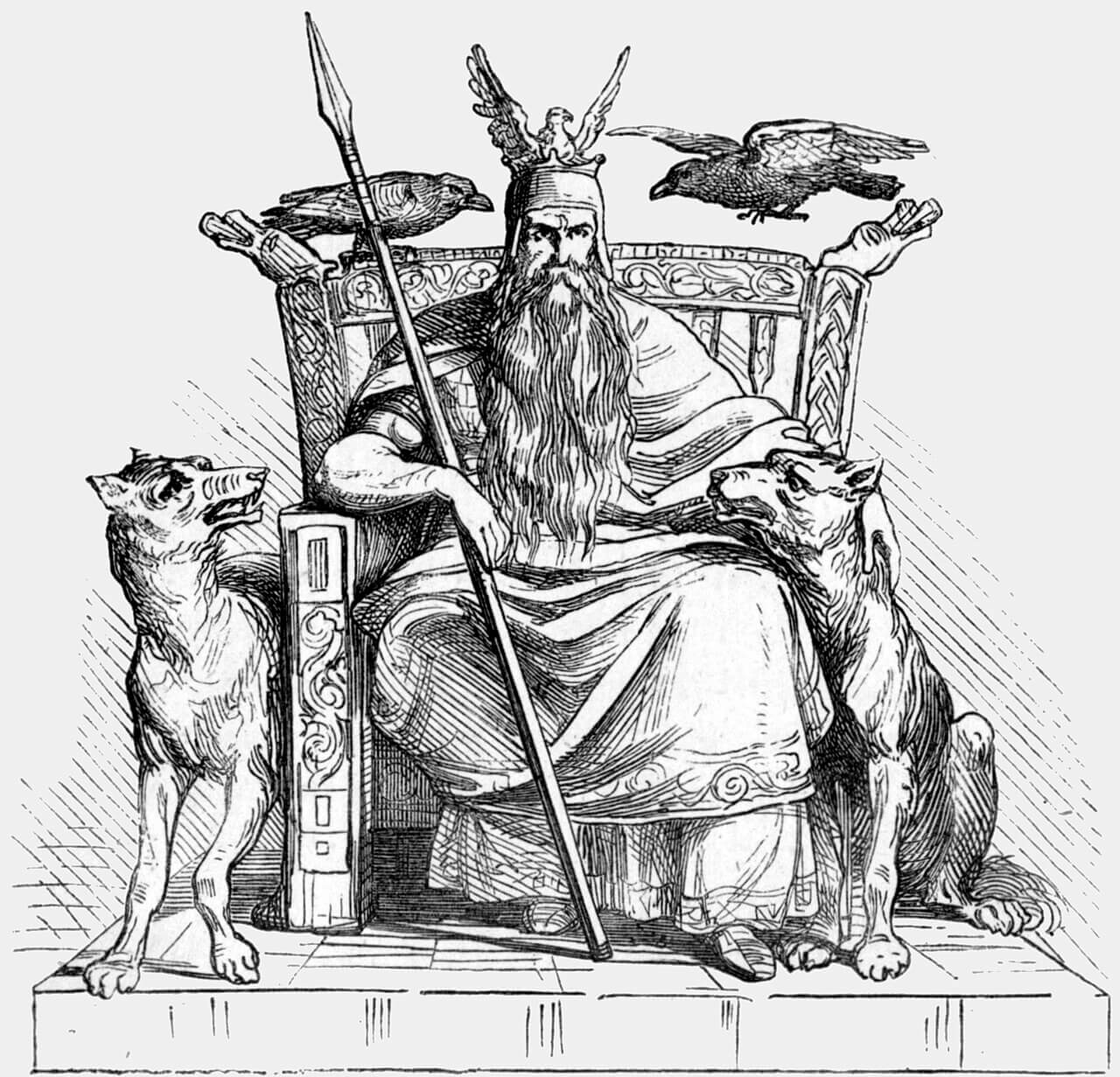
This is important for readers of Norse mythology because Odin is not simply one god among others. He is one of the most prominent gods in ancient Norse religion, and the sources present him with a complex role. He is associated with many functions, and even his names and epithets suggest a layered identity rather than a single divine office.[2]
The Runes as Dangerous Knowledge
The runes are not treated as ordinary writing in this mythic context. They are symbols tied to cosmic forces, and Odin’s desire for them is a desire to reach beneath surface appearances and gain access to hidden power.[1] That makes the quest for runes more than a story about literacy or technique. It is a story about the cost of insight.
In this mythic framing, knowledge is not neutral. It can be used for guidance, speech, and magical action, but it also carries risk. Odin’s pursuit of the runes shows that wisdom in Norse myth is not separated from danger. In this sense, the myth gives a distinctly Norse shape to the idea of sacred knowledge: it is powerful precisely because it is difficult to obtain.
Yggdrasil, Hanging, and Self-Sacrifice
Odin’s hanging on Yggdrasil is the central image in this myth. The world tree is not just a backdrop; it is the setting for a sacrifice linked to wisdom. Odin’s ordeal lasts nine days, and during that time he wounds himself with a spear. The act is self-directed and voluntary, which makes it especially striking. He does not receive wisdom as a simple gift. He pays for it with his own body.[1]
This self-sacrifice matters because it presents authority as something tied to suffering and ordeal. Odin’s wisdom is not abstract authority detached from experience. It is embodied authority, won through pain. That helps explain why Odin is associated in Norse tradition with themes such as rule, poetry, and magic.
Wisdom and the Aesir
Odin’s sacrifice shapes how the Aesir are imagined in Norse mythology. The Aesir are often understood as a major divine group in Norse myth, and Odin is commonly treated as their chief deity.[3] Within that framework, Odin’s wisdom is not merely personal. It becomes a model for authority grounded in insight and difficult knowledge.
The myth suggests that authority among the Aesir is not based only on force. It also depends on insight, memory, and the ability to work with powers beyond ordinary experience.
At the same time, Odin’s example shows that wisdom can be morally ambiguous. The sources emphasize that his functions are difficult to describe precisely.[2] That ambiguity is part of his mythic profile.
Poetry, Magic, and the Shape of Divine Knowledge
Odin’s pursuit of the runes also helps explain his connection to poetry and magic. In Norse tradition, these are closely linked to wisdom. The runes are presented as a medium of interaction with cosmic forces, and Odin’s ordeal marks him as someone associated with speech, sign, and power.[1]
For students of ancient Norse subjects, this is a crucial point. Odin’s wisdom connects to themes of rule, poetry, and magic because knowledge in Norse myth is often presented as active and powerful.
That overlap also helps explain why Odin’s sacrifice is so central. The myth does not present wisdom as passive contemplation. It presents wisdom as a force that changes the knower and equips him to act. Odin’s ordeal on Yggdrasil is therefore not only a personal achievement. It is also a mythic foundation for broader associations with hidden knowledge, verbal power, and sacred technique.
Why Odin’s Ordeal Matters for Understanding the Aesir
Odin’s sacrifice is one of the clearest examples of how Norse mythology imagines divine knowledge. The Aesir are not defined here by effortless perfection. Instead, the myth emphasizes struggle and the willingness to pay for what is sought. Odin’s self-wounding and hanging on the world tree show that wisdom comes through suffering and sacrifice.
For modern readers, especially those studying the Aesir as a category within Norse mythology, this myth offers a compact statement of divine values. Knowledge is powerful. Knowledge is costly. Knowledge changes the one who acquires it. And among the Aesir, the god most associated with that truth is Odin.
In that sense, Odin’s sacrifice is not just a famous episode. It is a key to the mythic logic of the Aesir. Their wisdom is earned, dangerous, and transformative. It is the kind of wisdom associated with rule, poetry, and magic.